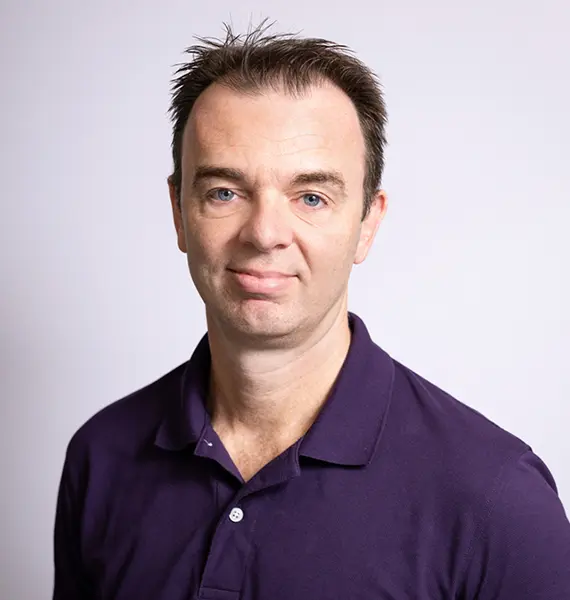
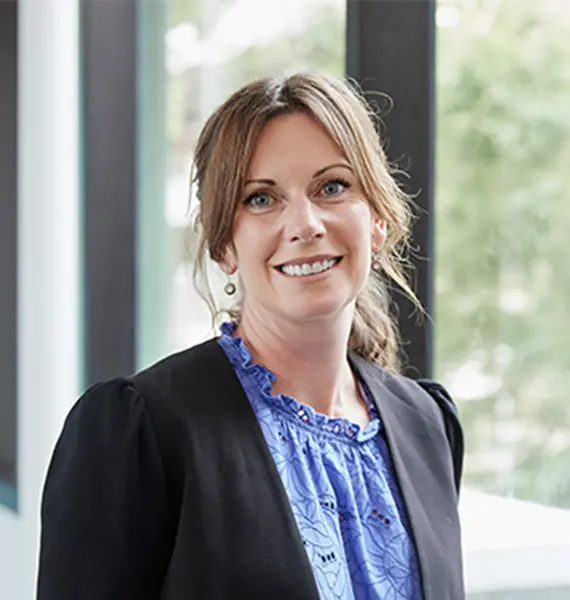
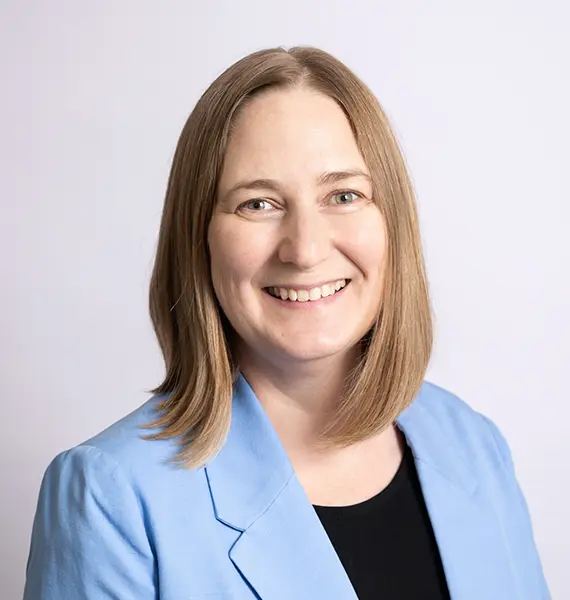
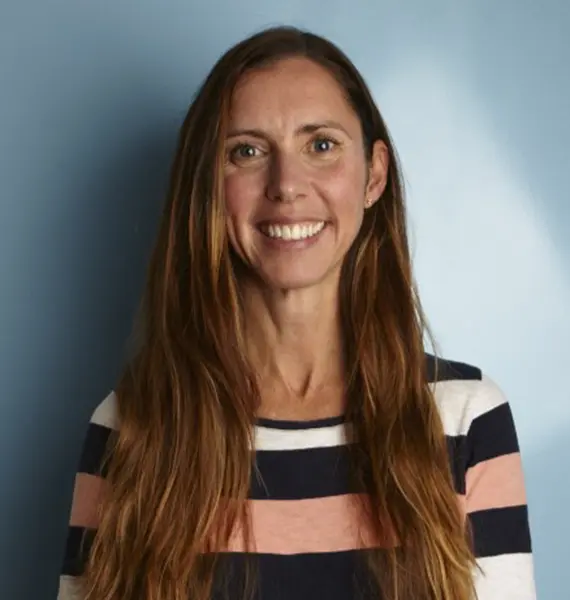
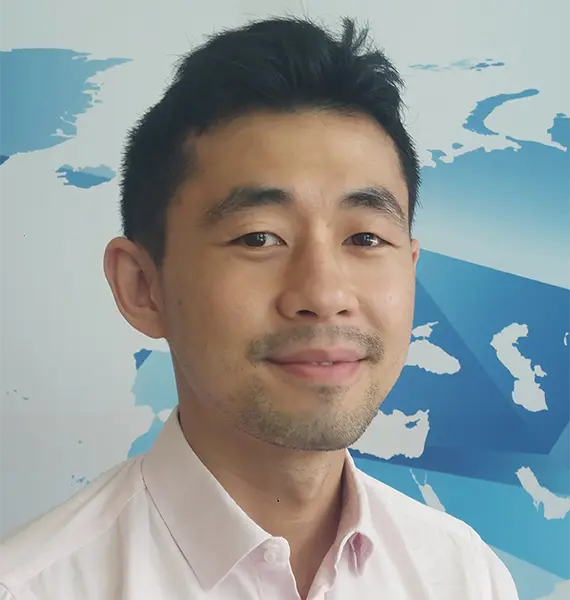
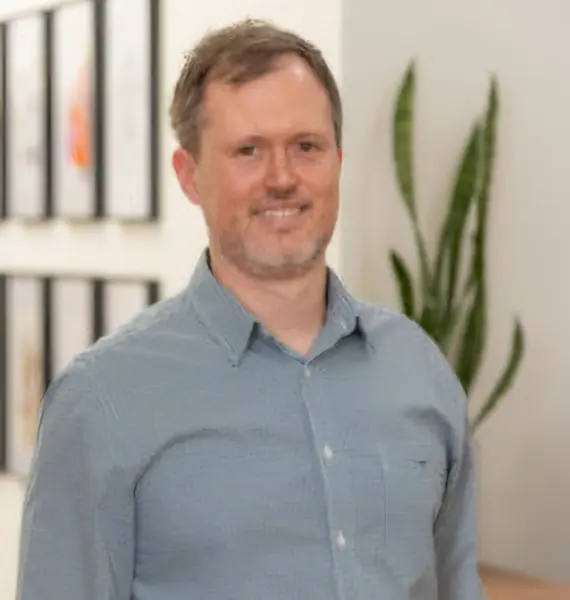
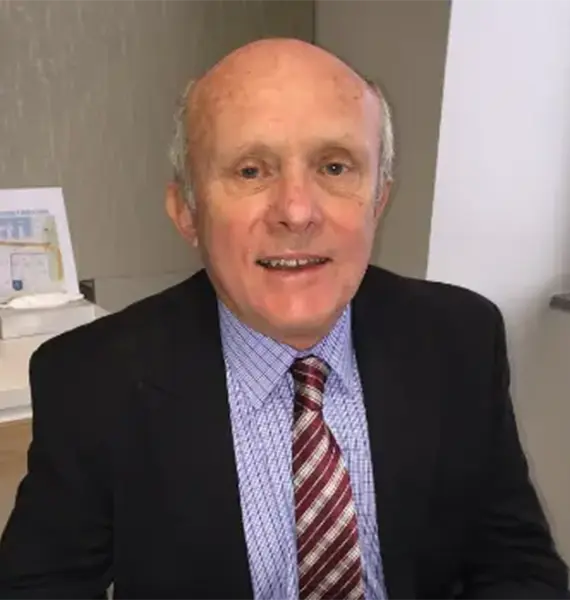
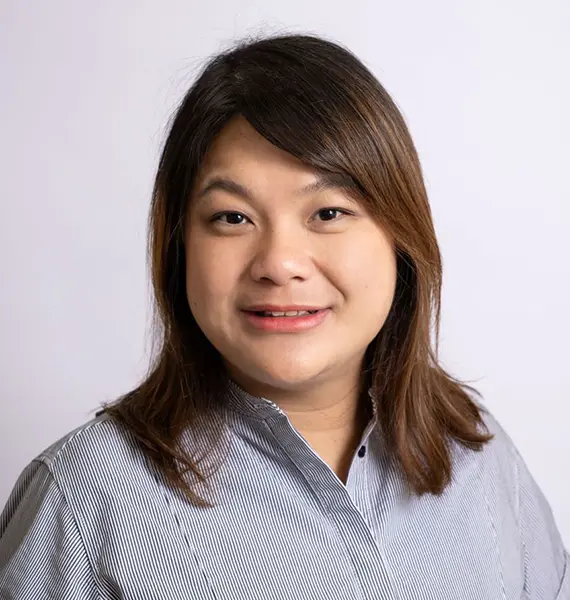
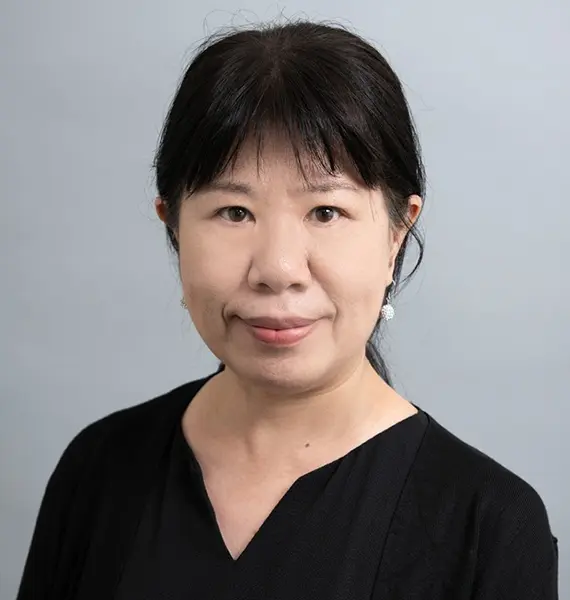
MCD Spotlight is a highly collaborative program, bringing together a research team with diverse expertise and experience. Meet the Program Investigators.
The Daffodil Centre, The University of Sydney
and Cancer Council NSW
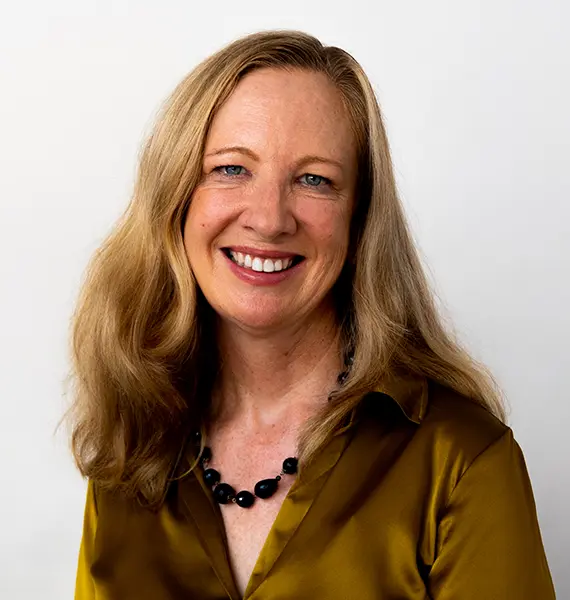
MCD Spotlight Lead
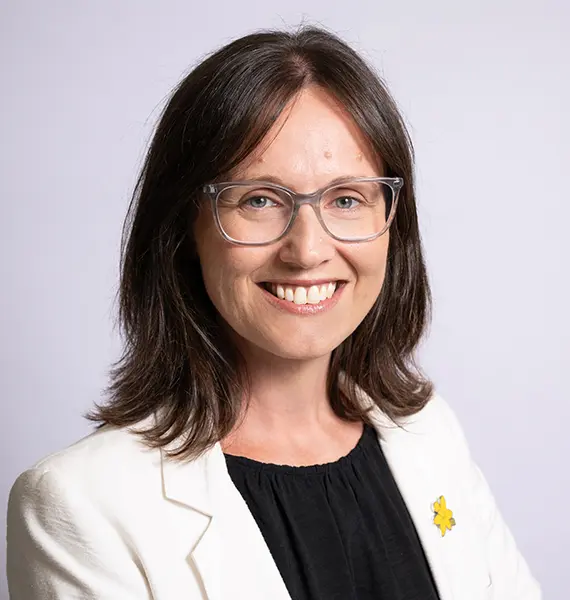
Julia Steinberg is a Cancer Institute NSW Career Development Fellow and leads the Genomics and Precision Health research team at the Daffodil Centre, a Flagship Centre at the University of Sydney and collaborative agreement with Cancer Council NSW. She completed a DPhil (PhD) in Genomic Medicine and Statistics at the University of Oxford and was a postdoctoral fellow at the Wellcome Trust Sanger Institute and the University of Cambridge, leading genetics and genomics research across a wide range of diseases. Julia moved to Australia in 2017. Her current primary focus is on the potential of genomics and precision health to reduce the burden of cancer. In particular, she leads the MCD Spotlight program, and co-leads the Australian Cancer Risk Study (cancerrisk.au) on risk-based screening and early detection. To help inform research translation, Julia is involved in several projects on implementation of genomics in practice. Finally, she uses large-scale data to help understand the current gaps and inefficiencies in healthcare, identifying potential inequities and opportunities for tailored interventions to improve health outcomes.
Cancer Elimination Collaboration
University of Sydney School of Public Health
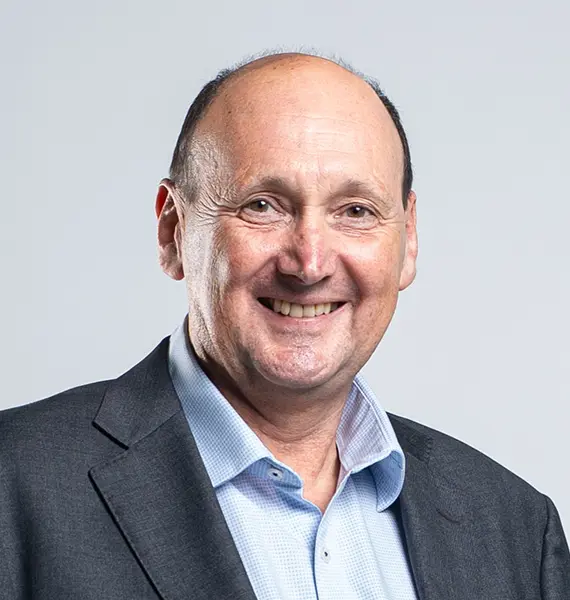
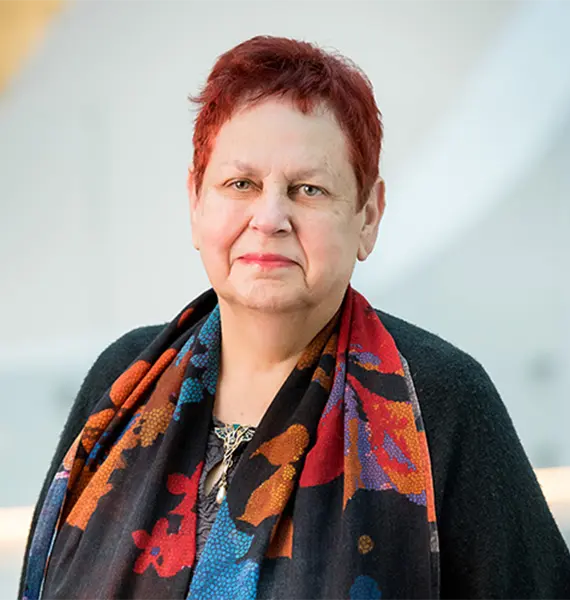
Karen Canfell is a cancer epidemiologist whose work has impacted cancer policy and implementation of cancer control strategies nationally and internationally. She is a Professor of Public Health and Lead, Cancer Elimination Collaboration (CEC) at the School of Public Health, University of Sydney. Karen was made Companion of the Order of Australia in the King’s Birthday Honours for eminent service to medicine as an epidemiologist, particularly through cancer research, to tertiary education, and as a mentor and leader.
Lee Kong Chian School of Medicine, Nanyang Technological University, Singapore
Jon Emery is the Professor of Family Medicine and Director of the recently established Centre for Cancer Prevention and Early Detection at the Lee Kong Chian School of Medicine, Nanyang Technological University. He was previously the Professor of Primary Care Cancer Research at the University of Melbourne where he remains an Honorary Professor.
Jon is an internationally recognised leader in primary care cancer research with specific expertise in the development and evaluation of complex interventions including novel cancer diagnostic and screening technologies, clinical translation of genomics, computer decision support systems, models of cancer survivorship, and use of linked healthcare data to study variations in cancer care.
Following his medical training at Cambridge and Oxford, he has had a highly successful career in academic primary care, initially at Oxford, where he obtained his DPhil on cancer risk assessment tools, then as a Cancer Research UK Clinician Scientist at Cambridge before taking up a Chair at the University of Western Australia. He moved to the University of Melbourne in 2013 for a Chair linked to the establishment of the Victorian Comprehensive Cancer Centre where he led the creation of one of the largest cancer in primary care research groups in the world.
Cancer Elimination Collaboration, University of Sydney School of Public Health
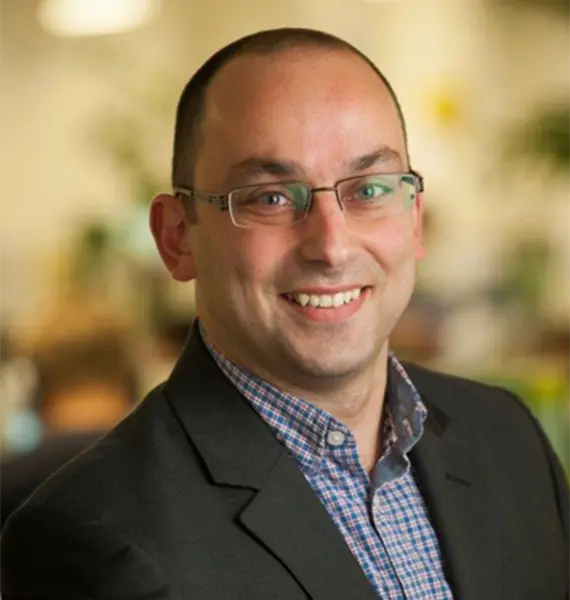
Michael Caruana is an Associate Professor and Principal Research Fellow with more than fifteen years of experience designing and delivering modelling projects across a range of research disciplines. He leads the Mathematical Modelling team within the Cancer Elimination Collaboration at the Sydney School of Public Health. His work focuses on developing mathematical models that capture the behaviour of complex health systems and advancing efficient model calibration techniques.
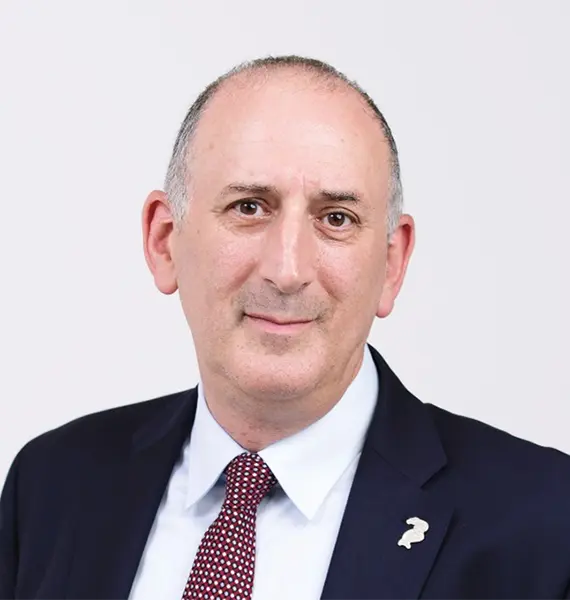
Peter Sasieni is the Professor of Cancer Epidemiology and joint lead of the Centre for Cancer Screening, Prevention and Early Diagnosis. He is also the Director of the Cancer Research UK Cancer Prevention Trials Unit -at QMUL (CPTU).
Peter has a background in mathematical statistics and epidemiology and has conducted cancer screening research and clinical trials for many years.
He’s currently a lead (or co-lead) investigator on several large grants including: The NHS-Galleri trial of GRAIL’s multi-cancer early detection test in population screening; The CRUK-NIHR funded BEST4 platform studying the use of a Cytosponge in screening and surveillance of patients with heartburn; Two clinical trials funded by Yorkshire Cancer Research; and two Cancer Research UK programme grants.
Peter is a Fellow of the Academy of Medical Sciences and was awarded the 2023 Don Listwin Award for outstanding contribution to cancer early detection. In 2024 he was awarded a CBE for services to cancer early detection and prevention.
The Daffodil Centre, The University of Sydney, and Cancer Council NSW
David Goldsbury is a statistician/data analyst with over 20 years of applied data analysis experience, and a member of the Genomics and Precision Health Stream at the Daffodil Centre. His expertise is in analysing and interpreting large, linked, routinely collected, administrative health data sets. His research focus includes patterns of cancer care, costs of cancer care, care at the end of life, and the use of linked data for epidemiological research.
David is currently undertaking a PhD at the University of Sydney, carrying out a study of the costs of cancer in Australia. This research aims to assess various health system costs, indirect costs and patient out-of-pocket costs, using the 45 and Up Study and a number of linked health data collections. The results will help guide economic analyses of cancer care in New South Wales and Australia, including the evaluation of potential cancer control interventions.
Cancer in Primary Care Research Group, The University of Melbourne
Saya Sibel is a senior research fellow and acting co-lead of the Cancer in Primary Care Research group at the University of Melbourne. She is an academic genetic counsellor with >10 years’ research experience in targeted cancer screening research genetic and genomic risk factors, both in Australia and in the UK. As an early career researcher, Saya has been awarded a MRFF Genomics Mission Incubator grant as CIA and two highly competitive research fellowships (2022: Cancer Council Postdoctoral Fellowship; 2024: Victorian Cancer Agency Early Career Fellowship) and has been listed as a Chief Investigator on more than $10 million of grants. Her PhD provided world first data on the translation of a colorectal polygenic risk score for targeted screening in general practice. She is an Australian-leading expert on the implementation of a multi-cancer risk assessment in general practice, with wide collaborations spanning all aspects of translation of targeted cancer screening and prevention, including with The Institute of Cancer Research, Cambridge University, and the CanTest Collaborative (7 institutions worldwide, CRUK Catalyst Award).
Implementation to Impact, University of New South Wales
Natalie Taylor is the Founder and Director of Implementation to Impact (i2i) at UNSW Sydney, where she leads a world class research and practice program dedicated to accelerating the translation of evidence into healthcare. An internationally recognised leader in implementation science, particularly in cancer, genetics, and genomics where she has developed influential methods and tools used globally to drive real world change. Since joining UNSW in 2021, she has built a >20 member interdisciplinary team entirely funded by competitive grants, secured more than $14 million in Category 1 funding as CIA, and produced a rapidly growing research output exceeding 170 publications. She leads the design and implementation of the world’s first fully integrated precision oncology clinic embedded in routine care and is widely sought after for national and international collaborations, keynote presentations, and policy advice. Natalie is also the Director of Research for the School of Population Health at UNSW and convenes Australia’s first Master’s level Implementation Science elective, consistently earning outstanding teaching evaluations. She has been honoured with several awards, including the 2016 CINSW Premier’s Excellence in Translational Cancer Research Award, the Peter Baume Research Impact Award in 2021, and the CINSW Premier’s Award for Cancer Researcher of the Year – Career Development Fellow in 2022.
The Daffodil Centre, The University of Sydney, and Cancer Council NSW
Alison Pearce is a health economist interested in the various costs of cancer. Her research aims to use health services research and health economics to improve cancer care by providing relevant, reliable information for decision making.
Leading the Health Economics Stream at the Daffodil Centre and based at the University of Sydney School of Public Health, Alison teaches introductory health economics and conducts research in the areas of oncology patient preferences and productivity loss. This research extends the work she did on the economics of cancer as a Chancellor’s Postdoctoral Research Fellow at the Centre for Health Economics Research and Evaluation (CHERE) at UTS, and as a postdoc at the National Cancer Registry in Ireland. Alison completed her PhD on the costs of chemotherapy side effects at CHERE in 2013, before which she worked in cancer clinical trials and health services research.
Alison’s original training was in occupational therapy, and she remains interested in rehabilitation research. She also has keen interests in early career researcher development and academic writing practices.
Sarah Norris is an Associate Professor of Health Technology Assessment, within the Leeder Centre for Health Policy, Economics and Data at the Sydney School of Public Health. Sarah’s current research interests are the methods used to determine value and value-for-money for emerging technologies (with a focus on genomics and digital health), and systems-level thinking regarding the translation of different types of evidence into practice and policy.
The Daffodil Centre, University of Sydney, and Cancer Council NSW
Nehmat Houssami is a clinician researcher and public health physician, and Professor of Public Health in the Faculty of Medicine and Health – she leads the Breast Cancer Clinical and PH research group. She has worked as a clinician in breast services for 30 years (and currently consults at Royal Hospital for Women). She is an internationally recognised expert in evaluation of breast screening and specifically new technologies in screening, pre-operative staging, and investigating the effect of testing on clinical outcomes. Her work has included prospective trials and cohort studies, and she has co-authored international guidelines in early and advanced breast cancer. She is NBCF’s inaugural research Chair in Cancer Prevention.
Cancer Elimination Collaboration, Sydney School of Public Health, University of Sydney
Carolyn Nickson is an epidemiologist specialising in breast cancer control. She is a Principal Research Fellow at the Cancer Elimination Collaboration, leading a team of specialist breast cancer researchers and various projects across the collaboration. Key areas of her research include policy and modelling evaluations related to breast cancer screening, diagnosis and treatment, and epidemiological studies focussed on risk assessment and risk-adjusted interventions. Carolyn works closely with clinicians, health service program managers and policy makers, and her team is jointly located at the Cancer Elimination Collaboration and at the Melbourne School of Population and Global Health at the University of Melbourne.
Cancer Elimination Collaboration, University of Sydney School of Public Health
Marianne Weber is a cancer epidemiologist with expertise in cancer prevention and screening. Marianne leads a lung cancer research program which focuses on optimising current and novel interventions for lung cancer prevention, screening, and treatment by combining expertise in modelling, biostatistics, behavioural science and epidemiology.
International Agency for Research on Cancer, World Health Organization
Preston Ngo is a postdoctoral scientist at the International Agency for Research on Cancer with extensive experience in cancer epidemiology, biostatistics, and health economics. His prior research has involved measuring health-related quality of life, estimating the financial impact of novel anticancer drugs for lung cancer, evaluating the cost-effectiveness of lung cancer screening, and forecasting the prevalence of cancer patient populations to support future health technology evaluations in Australia. His current work focuses on estimating the global burden of cancer and global healthcare costs related to cancer. He is also supporting the Lung cancer screening and Prevention Internationally (LAPIN) project, which will inform health technology evaluations of lung cancer screening in Europe.
Department of General Practice and Primary Care, The University of Melbourne
Brent Venning is a General Practitioner, academic, and early-career researcher with experience in research on cancer diagnosis and diagnostic pathways in Australian general practice. He currently works across rural clinical practice, medical education and research, with particular interests in equitable access to care, early cancer diagnosis and health service improvement. Brent holds a Bachelor of Medicine and Bachelor of Surgery, a Master of Public Health, a Doctor of Philosophy, and is a Fellow of the Royal Australian College of General Practitioners.
Jeff Cuff has a long-term interest and involvement in a number of research projects and committees within Cancer Council NSW and the Daffodil Centre, including on MCD Spotlight and the Australian Cancer Risk Study.
Jeff’s interest in cancer research started following the death of his wife Shirley to colorectal cancer 12 years ago. Jeff is currently part of studies at QIMR; ONJCRI, Westmead Institute of Research, and GI Cancer trials. He has a lab position at UNSW and Chairs the Community Advisory Panel for the AGITG – now GI Cancer Trials.
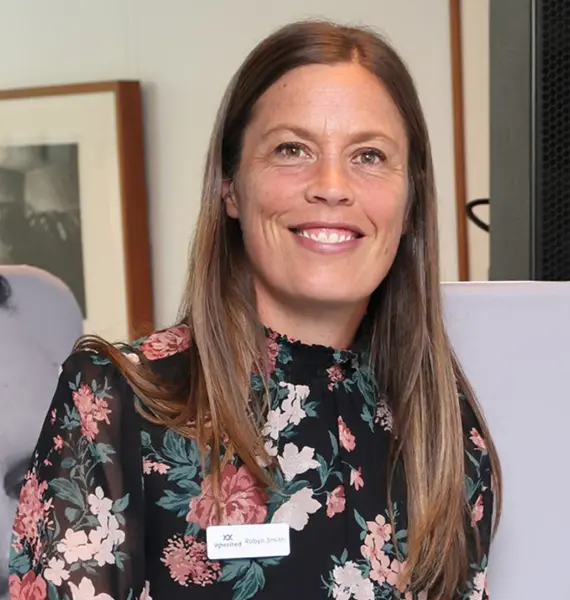
A keen advocate for preventive health, Robyn began her connection with Inherited Cancers Australia by volunteering & connecting with her local high-risk community back in 2012. She has a background in finance and more recently extensive experience in the Not-for-Profit preventative health sector. Robyn is a keen advocate for informed decision making around managing cancer risk. She is part of several research teams and working groups contributing to studies relevant to the hereditary cancer community and is currently on the Genomics Australia Advisory Council.
Sophy Athan is a lived experience consumer leader and advocate with several academic qualifications, including a Bachelor and Master of Arts, two graduate diplomas and leadership certificates. She has substantial experience as a consumer representative in cancer research projects including the role of chief investigator and associate investigator. In her role as Chair of the Cancer Consumer Advisory Committee of the Victorian Comprehensive Cancer Centre from 2015-2023 she has been involved in several oncology-specific committees and advisory panels. Sophy currently serves on a number of boards, committees and advisory panels within the Victorian Comprehensive Cancer Centre, University of Melbourne, Chair of Health Issues Centre (2012-2024), Victorian Clinical Council (2018-2025), Health Information Exchange Victorian Department of Health, Outer East Primary Care Partnership Chair of CAC (2016-2023), Eastern Melbourne Primary Health Network. She has previously served on many other committees, including steering committees for the Department of Health and Human Services of the Victoria State Government. Sophy continues to be involved around issues of mental health, disability, aged care and diversity advocating for better health outcomes for everyone. Sophy has been a regular presenter at conferences at national and international levels and has contributed to a number of published research papers.
Cancer Elimination Collaboration, University of Sydney School of Public Health
Paul Grogan is senior adviser at the University of Sydney’s Cancer Elimination Collaboration, where he advises on research strategy, partnerships and pathways for translating outputs into policy and practice. Paul has worked in cancer control policy, strategy and communications for 22 years. This includes 15 years as head of public policy at Cancer Council Australia, where he headed government relations and was executive director of the clinical practice guidelines unit and executive editor of three iterations of the flagship National Cancer Prevention Policy. He has served on many national intergovernmental and intersectoral advisory groups, including the National Cancer Expert Reference Group, the Program Delivery Advisory Group for the National Bowel Cancer Screening Program and the executive of the Australian Chronic Disease Prevention Alliance.
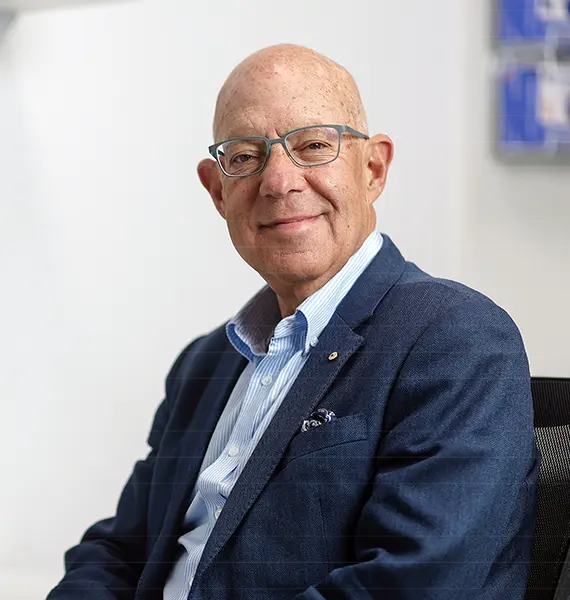
John Zalcberg’s clinical areas of interests include gastrointestinal (GI) cancer, the diagnosis and management of patients with gastrointestinal tumours (GIST) and quality of care. He has published over 450 articles in peer-reviewed journals. He was the Principal Investigator for the EORTC advanced GIST trial in Australia and continues to be actively involved in trials in this disease, as well as other gastrointestinal cancers.
John is immediate, past Head of the Cancer Research Program in the School of Public Health and Preventive Medicine at Monash University, and continues to provide academic leadership to a number of clinical quality registries. He held the inaugural Tony Charlton Chair in Cancer Research at the Alfred Hospital, Melbourne, Australia until July 2023. Prior to taking up his most recent position at Monash in 2015, he was Director of the Division of Cancer Medicine at the Peter MacCallum Cancer Centre (Peter Mac) in Melbourne for 17 years and Chief Medical Officer at that institution for 5 years.
Cancer Elimination Collaboration, University of Sydney School of Public Health
Eleonora Feletto leads the Gastrointestinal Cancer Team in the Cancer Elimination Collaboration. She completed a PhD in the Pharmacy Faculty at the University of Sydney in 2010. Her research interests include the areas of cancer control, environmental risk factors of cancer, the implementation of health services in practice and the use of alternative channels to build a sustainable health care system. Eleonora’s current work focuses on prevention and early detection of colorectal and liver cancer in Australia and overseas. She leads the Mobilising the National Bowel Cancer Screening Program through combining individual, health service and population level interventions (MAIL, GP & SCALE) project funded through the NHMRC and a number of projects funded by the Cancer Institute NSW focused on improving colonoscopy use in NSW.
Cancer Elimination Collaboration, University of Sydney School of Public Health
Jie-Bin Lew is a Senior Research Fellow at the Cancer Elimination Collaboration. She developed Policy1-Bowel, a microsimulation model of colorectal cancer natural history and screening, and has over 17 years of experience in health economic evaluation of cancer prevention interventions using predictive modelling approaches.
Her current research focuses on optimising colorectal cancer screening in Australia and other countries by providing policymakers with evidence-based ‘best buy’ screening strategies for populations at different risk levels. The modelling analyses led by her team offer detailed health economic estimates for various existing and emerging screening strategies and protocols, supporting ongoing research and the optimisation of CRC screening in Australia.
The Daffodil Centre, The University of Sydney, and Cancer Council NSW
Qingwei Luo is an epidemiologist and health service researcher. Her research encompasses epidemiological studies, the investigation of health disparities, and the development of advanced statistical models to project future cancer burden. Since joining Cancer Council NSW in 2010, she has led and contributed to multiple projects examining disparities in health outcomes and health services. Most recently, she led a major initiative to project future cancer incidence and mortality rates in Australia, both by cancer type and for all cancers combined. This work involved the development and validation of sophisticated statistical models that incorporated key risk factors, including historical smoking trends. The program produced several high-impact publications and reports with important public health policy implications. In recognition of her contributions, she received the Cancer Council NSW CEO Impact Award in 2024. She collaborates with a multi-disciplinary team across multiple Streams at the Daffodil Centre, where she provides methodological expertise to a wide range of projects.
Dr Stephen Wade is a data scientist in the private sector and has 8 years’ experience in health economics research at The Daffodil Centre. The focus of Stephen’s research at the Daffodil Centre was on lung cancer screening and cancer prevention through tobacco control. His peer-reviewed publications include tobacco-use forecasts and screening cost-effectiveness in Australia, alongside statistical methodology. His area of expertise is how to make useful predictions with computer models that reveal to us the likeliest, the likely, and the unlikely outcomes.